KriyaKriya
Contact
Biocontrol · Karanjin

K-Guard™ Botanical Insect Growth Regulator for Residue-Sensitive Markets

K-Guard™ is a karanjin-based botanical pesticide derived from Pongamia seed actives for early control of sucking and chewing pests.
EC & WSP Karanjin 2–5% Two formats
K-Guard product imagery
Overview

Botanical knockdown that keeps spray programs compliant

K-Guard™ karanjin botanical insect growth regulator in EC and WSP formats for early control of sucking and chewing pests in residue-sensitive markets.

Contact & Antifeedant

Pongamia-derived botanical with contact and antifeedant properties.

Population Management

Reduces larval feeding and slows pest population build-up. Useful in early infestation windows before severe crop injury.

Rotation Friendly

Appropriate for rotation with other natural-origin pest management tools.

Benefits

Key benefits

Rapid Feeding Halt

Karanjin-rich actives shut down pest feeding quickly, reducing crop damage in high-value horticulture.

Stable Spray Quality

Optimized adjuvant systems keep emulsions stable in hard water and across a broad pH range.

Sustainable Sourcing

Responsible pongamia sourcing and solvent recovery deliver a lower environmental footprint.

Distributor Enablement

Includes multilingual labels, residue data, and launch playbooks to accelerate commercial rollouts.

Mode of action

How it works

Disrupting pest feeding and development cycles.
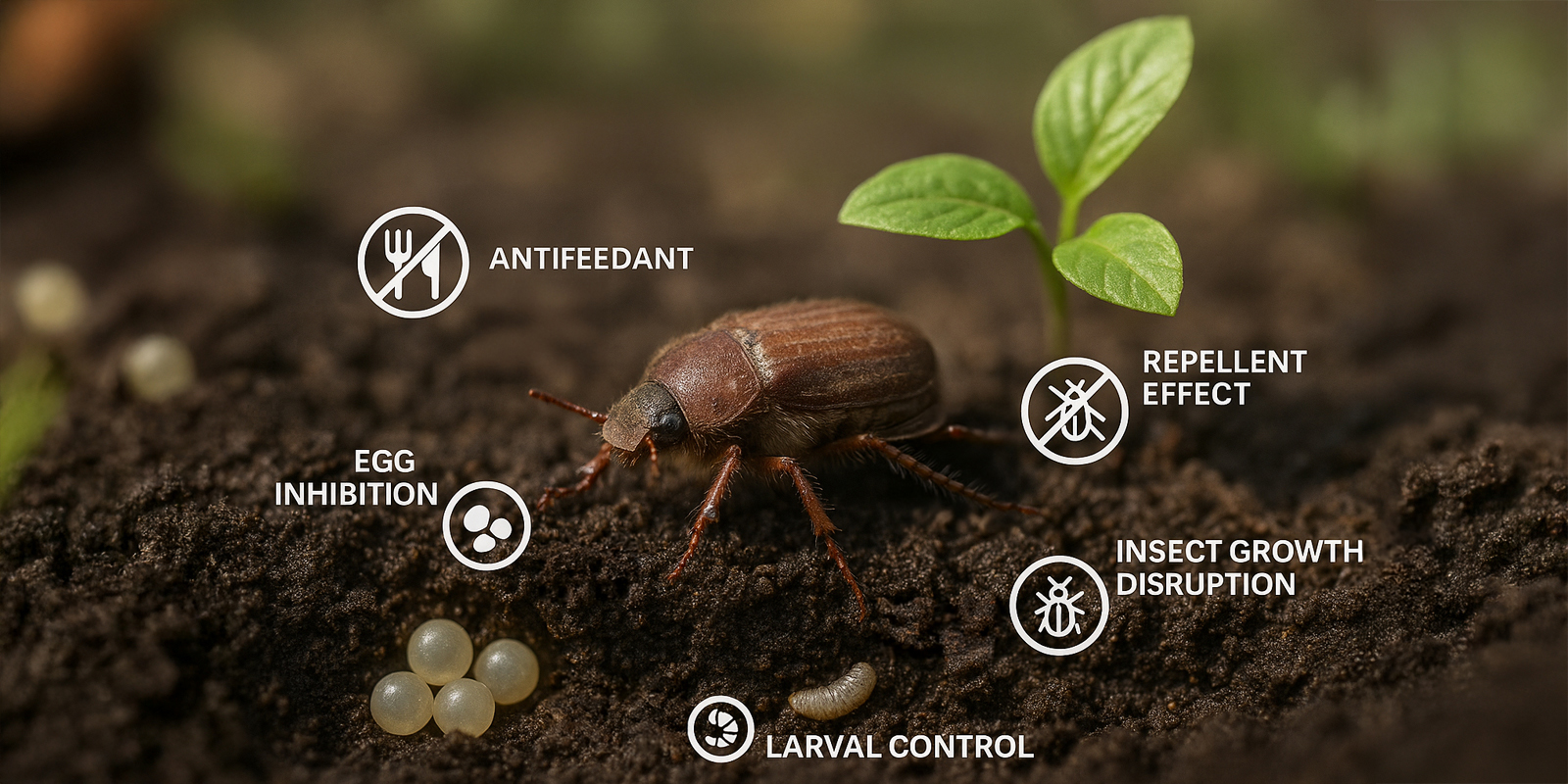
K-Guard mode of action
Line-up

Available variants

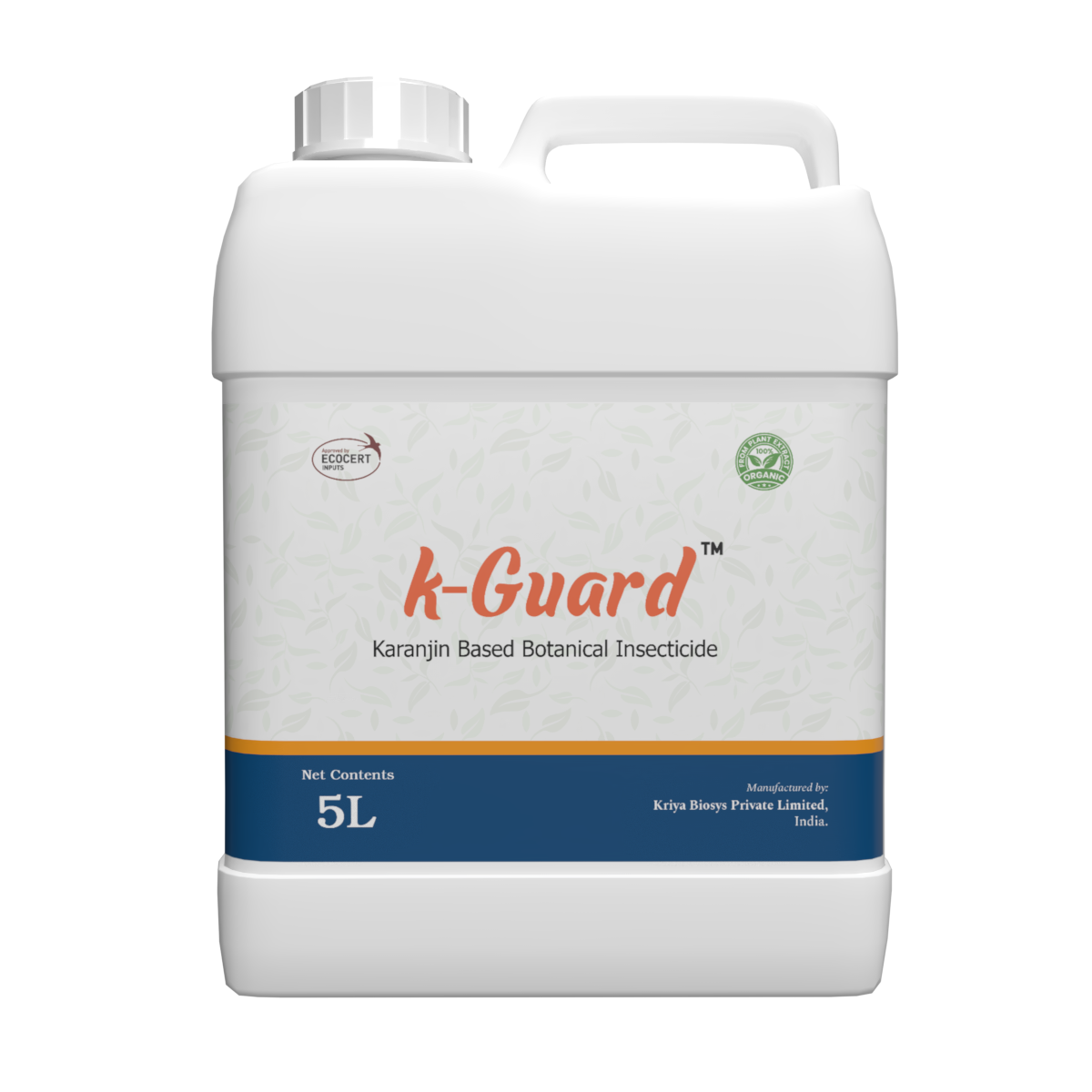
K-Guard EC packshot

K-Guard™ EC

Karanjin 2% EC

Download tech sheet
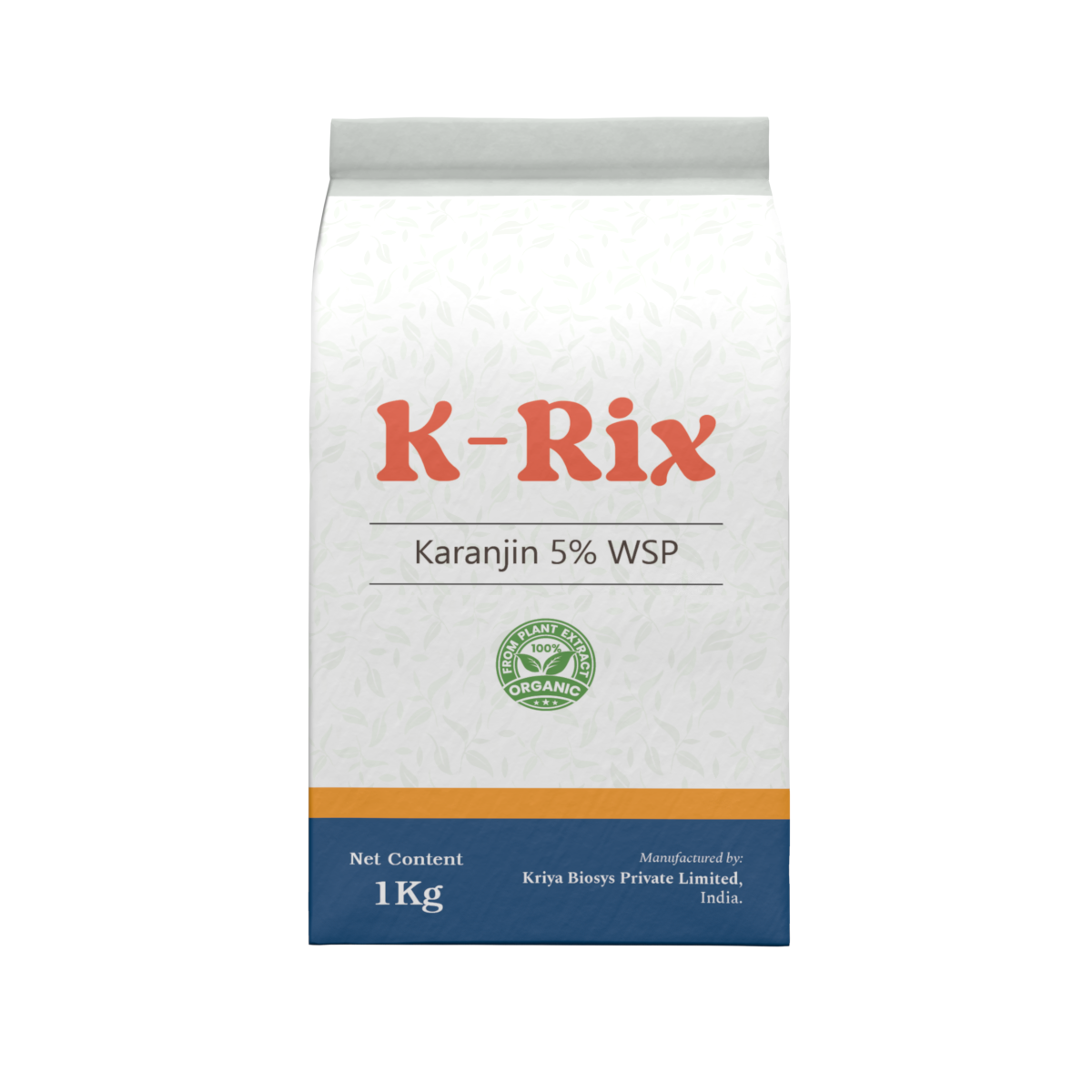
K-Rix WSP packshot

K-Rix™ WSP

Karanjin 5% WSP

Download tech sheet
Dosage & application

Recommended use

FormulationCrop StageDilution RateDose per AcreWater Volume per AcreApplication MethodApplication Interval
K-Guard™ – Karanjin 2% ECGeneral foliar application2–3 ml/L500–750 ml200–250 LFoliar spray7–10 days
K-Rix™ – Karanjin 5% WSPGeneral foliar application1–1.5 g/L250–400 g200–250 LFoliar spray7–10 days

*Assumes spray volumes of 200–250 L per acre for field applications. Adjust water volume to canopy density and sprayer output.

Source: Inferred from product specifications.
Where it fits

Target & crops

Pests Controlled

Target Spectrum

  • Aphids
  • Whiteflies
  • Thrips
  • Caterpillars
  • Leaf miners
Diseases & Secondary Effects

Indirect Benefits

  • Reduces honeydew and sooty mold build-up on leaves and fruit
  • Lowers vector pressure for viral and phytoplasma diseases
  • Supports IRM programs as a botanical rotation partner
  • Improves marketable yields through cleaner foliage and fruit finish
Crops Covered

Versatile performance across premium crops

Vegetables: chilli, tomato, okra, cucurbits Fruit crops: citrus, mango, grape, banana Plantation crops: tea, coffee, cocoa Field crops: cotton, soybean, pulses Protected cultivation: ornamentals, herbs, nursery stock Spices & medicinal plants needing residue compliance
Program fit

Use sites, tank mix flexibility, and storage guidance

Use Sites

  • Open-field vegetables, pulses, cotton, and oilseeds
  • Fruit orchards and plantation crops requiring low residues
  • Protected cultivation including greenhouse and shade-net systems
  • Nursery and ornamental production facilities
  • Organic transition acres seeking botanical rotations

Compatibility

  • Compatible with most neutral-pH spray inputs
  • Avoid strongly alkaline mixes and confirm with a jar test

Shelf Life & Storage

  • Typical shelf life: 24 months in the unopened original container under cool, dry, shaded storage
  • Store sealed in the original pack away from heat, direct sunlight, and moisture

Bring botanical IGR performance to your portfolio

Partner with Kriya to access high-purity karanjin formulations, regulatory expertise, and manufacturing scale for international growth.